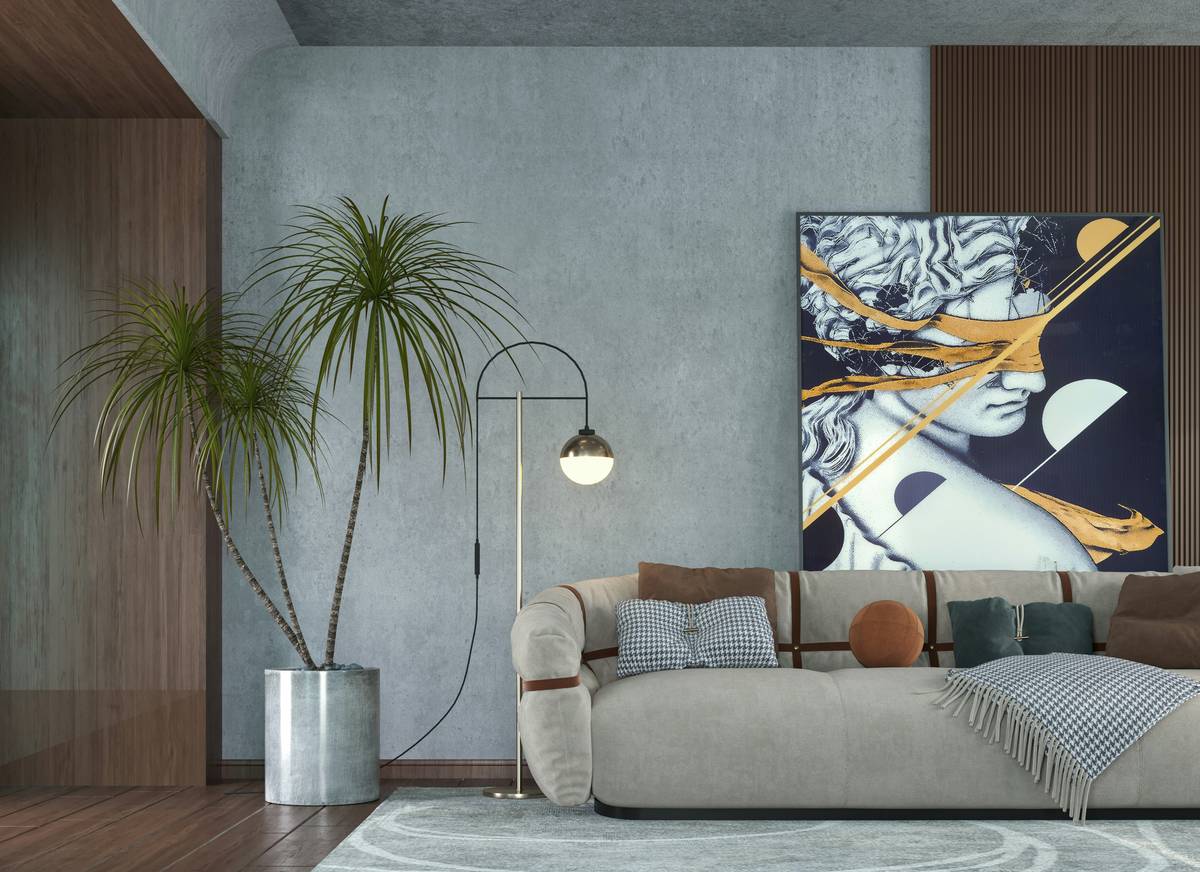
You stare at the same four walls. Again. That beige paint, the mismatched frames, the sad lamp in the corner—it’s not inspiring. It’s exhausting. Most “quick fixes” you find online either cost a fortune or look like every other Pinterest board. But what if a full room makeover didn’t require contractors—or credit card debt? Here’s the truth: with smart planning and raw creativity, a stunning room makeover diy project home decor transformation is absolutely possible in a weekend.
Why Most DIY Room Makeovers Fail (And How to Avoid the Trap)
People grab paint, hit the thrift store, slap up some shelves—and end up with clutter that screams “trying too hard.” The problem isn’t effort. It’s strategy. Random acts of decoration create visual noise, not cohesion.
And here’s the reality: most tutorials skip the critical first step—defining a *mood*, not just a color palette. Without that emotional anchor, your space feels disjointed. Even expensive accessories won’t fix a confused foundation.
room makeover diy project home decor: Your 5-Step Blueprint
Forget vague advice. This is a battle-tested sequence used by set designers and boutique stylists—not influencers posing with fake plants.
Step 1: Edit Ruthlessly, Then Define Your Mood
Pull everything off shelves, out of drawers, off the floor. Sort into three piles: keep, donate, burn (metaphorically—or literally, if it’s that awful lamp). Now ask: “How should this room *feel*?” Calm? Energetic? Moody? Nostalgic? Write one word. That’s your compass.
Step 2: Paint Smart—Not Just Bold
Yes, paint transforms. But choosing the wrong sheen or undertone ruins the vibe. For small rooms, lean toward warm whites or soft earth tones—not cool grays that amplify sterility. And always sample on multiple walls; lighting changes everything.
Step 3: Rearrange Before You Buy
Most rooms suffer from “furniture against the wall” syndrome. Float your sofa. Angle a bookshelf. Create sightlines. Movement = life. You’ll be shocked how much newness comes from old pieces in new positions.
Step 4: Layer Textures, Not Just Colors
A jute rug + velvet pillow + matte ceramic vase = depth. Flat surfaces kill energy. Mix rough, smooth, shiny, nubby. This is where cheap finds shine—thrifted linens, woven baskets, unfinished wood trays.
Step 5: Light It Like a Pro
Ditch the single overhead fixture. Use a combo: ambient (floor lamp), task (desk light), accent (LED strip behind shelves). Warm white LEDs (2700K–3000K) flatter skin and wood tones. Cold light? Instant hospital.
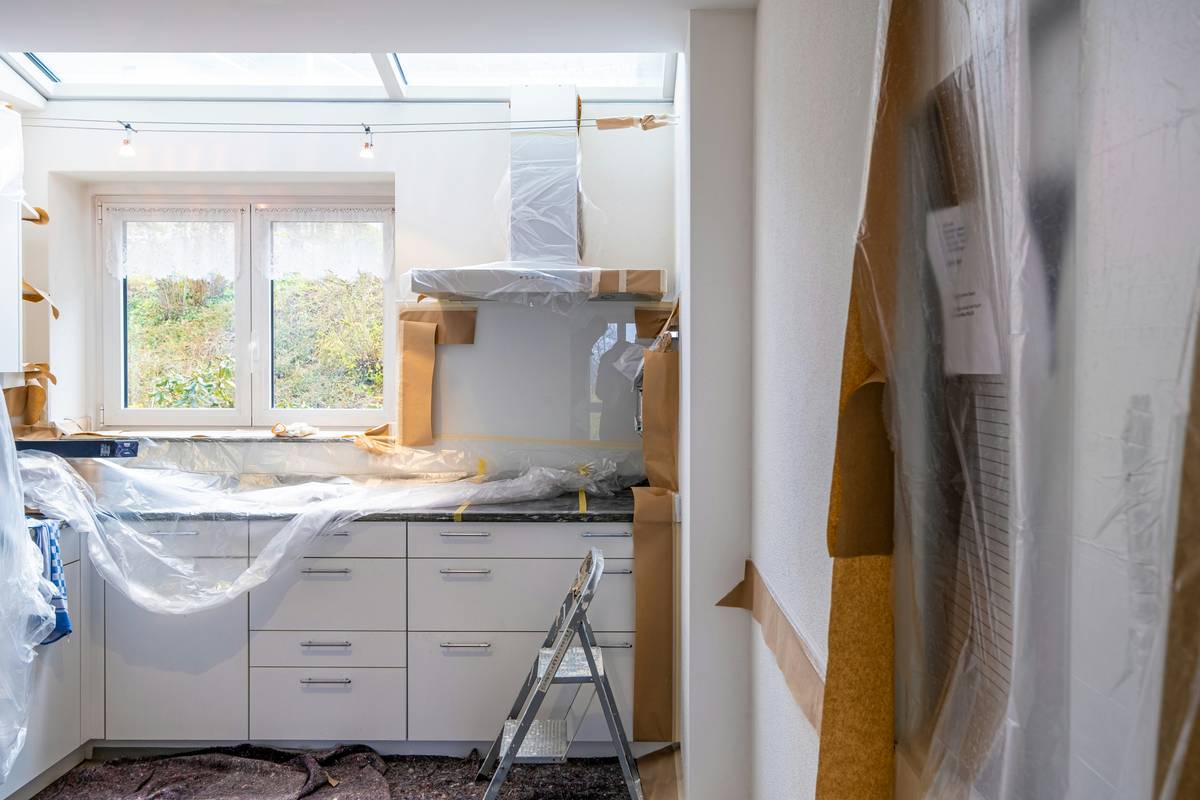
| Approach | Avg. Cost | Time Required | Impact Level |
|---|---|---|---|
| Full Paint + New Furniture | $800–$2,500 | 3–5 days | High (but risky if poorly coordinated) |
| Rearrange + Repurpose Only | $0–$100 | 4–8 hours | Moderate to High (if done with intent) |
| Strategic Paint + Thrifted Accents | $150–$400 | 1–2 weekends | Very High (best ROI) |
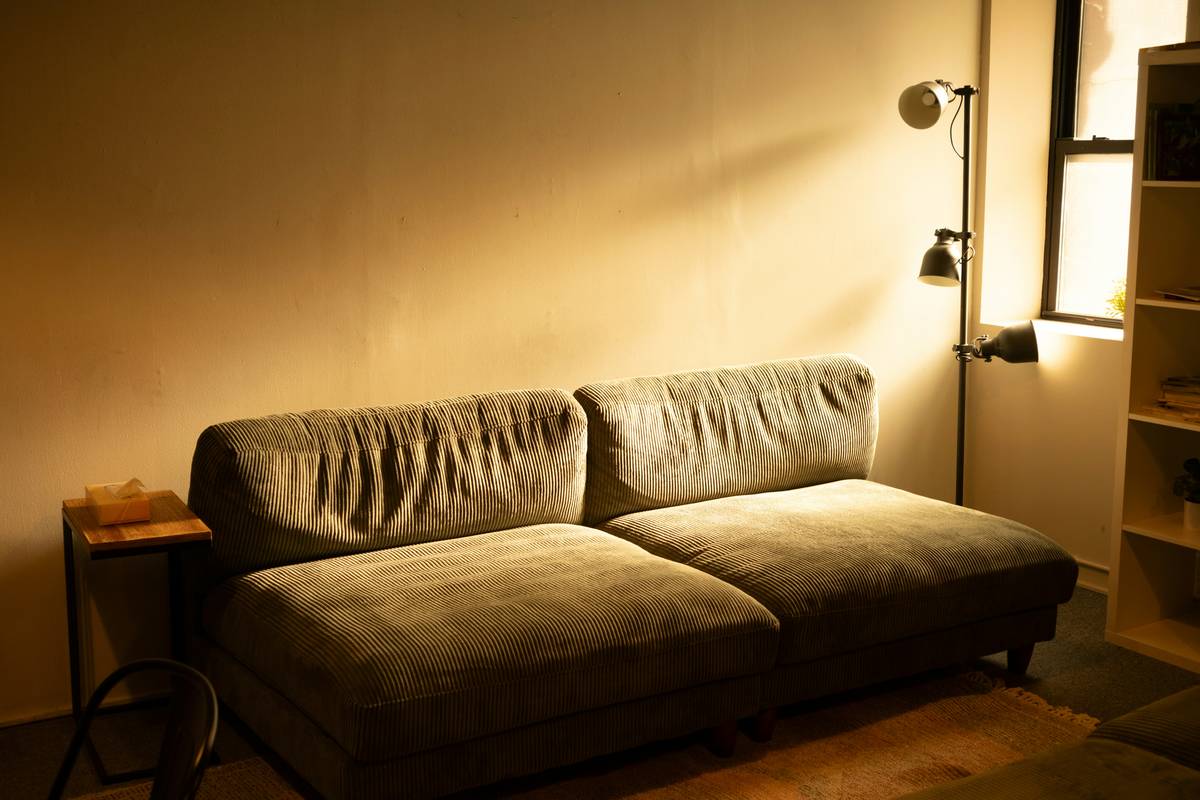
The Industry Secret: Stylists Don’t Shop—They Curate
Here’s what no blog tells you: professional decorators rarely buy new decor for clients. They hunt, borrow, repaint, flip, and recombine. A $3 vase from Goodwill becomes a statement piece when grouped with two others in varying heights. An old picture frame gets spray-painted matte black and holds fabric swatches as abstract art.
The math is simple: uniqueness beats expense. Your personality should echo in every object—not the retailer’s catalog. And don’t fear asymmetry. Perfect symmetry feels staged. Real homes breathe.
Frequently Asked Questions
What’s the cheapest way to do a room makeover?
Rearrange furniture, deep clean, repaint one accent wall, and add layered lighting using existing or thrifted lamps. Impact: massive. Cost: under $50.
How long does a DIY room makeover take?
A focused weekend. Day 1: edit, paint, rearrange. Day 2: style with textures and lighting. Skip browsing endlessly—work from your mood word.
Can I makeover a room without painting?
Absolutely. Change textiles (curtains, throws, rugs), swap hardware on dressers, and use removable wallpaper on the back of open shelves. Visual weight shifts fast.