Ever stared at a blank wall wondering how to turn it into something stunning—without blowing your budget or sanity? You’re not alone. DIY home design projects promise creative freedom and savings, but one wrong move can leave you with crooked shelves, peeling paint, or worse—a room that feels more “half-finished” than “handcrafted.” As someone who once glued mirror tiles directly onto drywall (yes, they rained down during a dinner party), I’ve learned that success hinges on planning, patience, and knowing which shortcuts actually work. In this guide, we’ll walk through actionable steps, real examples, and expert-backed tips so your next project elevates your space—not your stress levels.
Table of Contents
- Why DIY Home Design Projects Often Go Wrong
- Step-by-Step Guide to Your First Successful Project
- Essential Best Practices for Long-Lasting Results
- Real Transformations: Before, After, and Lessons Learned
- FAQs About DIY Decor on a Budget
Key Takeaways
- Start small—complex projects without experience lead to frustration and wasted materials.
- Always prep surfaces properly; skipping sanding or cleaning causes adhesion failures.
- Use painter’s tape correctly: press edges firmly and remove while paint is still slightly tacky.
- Budget 10–15% extra for unexpected costs—according to the National Association of Home Builders.
- Document your process; it helps troubleshoot errors and inspires future projects.
Why DIY Home Design Projects Often Go Wrong
The appeal of diy home design projects is undeniable: personalization, cost savings, and that proud “I made this” moment. Yet, nearly 68% of DIYers admit to abandoning at least one home decor project due to complexity or poor results, per a 2023 Angi survey. The root issue? Underestimating prep work and overestimating skill level. I once painted an entire accent wall in matte finish—only to realize it absorbed every fingerprint and scuff like a sponge. No amount of touch-ups could save it. That’s why understanding common pitfalls is half the battle.
Step-by-Step Guide to Your First Successful Project
1. Choose the Right Project for Your Skill Level
Avoid tackling built-in cabinetry as your first venture. Start with removable upgrades: peel-and-stick wallpaper, floating shelves, or framed gallery walls. These offer high visual impact with low risk.
2. Gather Quality Tools (Not Just Cheap Ones)
A $5 level might look straight—but it’s likely warped. Invest in a reliable laser level (available at major retailers like Home Depot) and quality brushes. Your results will reflect your tools.
3. Prep Like a Pro
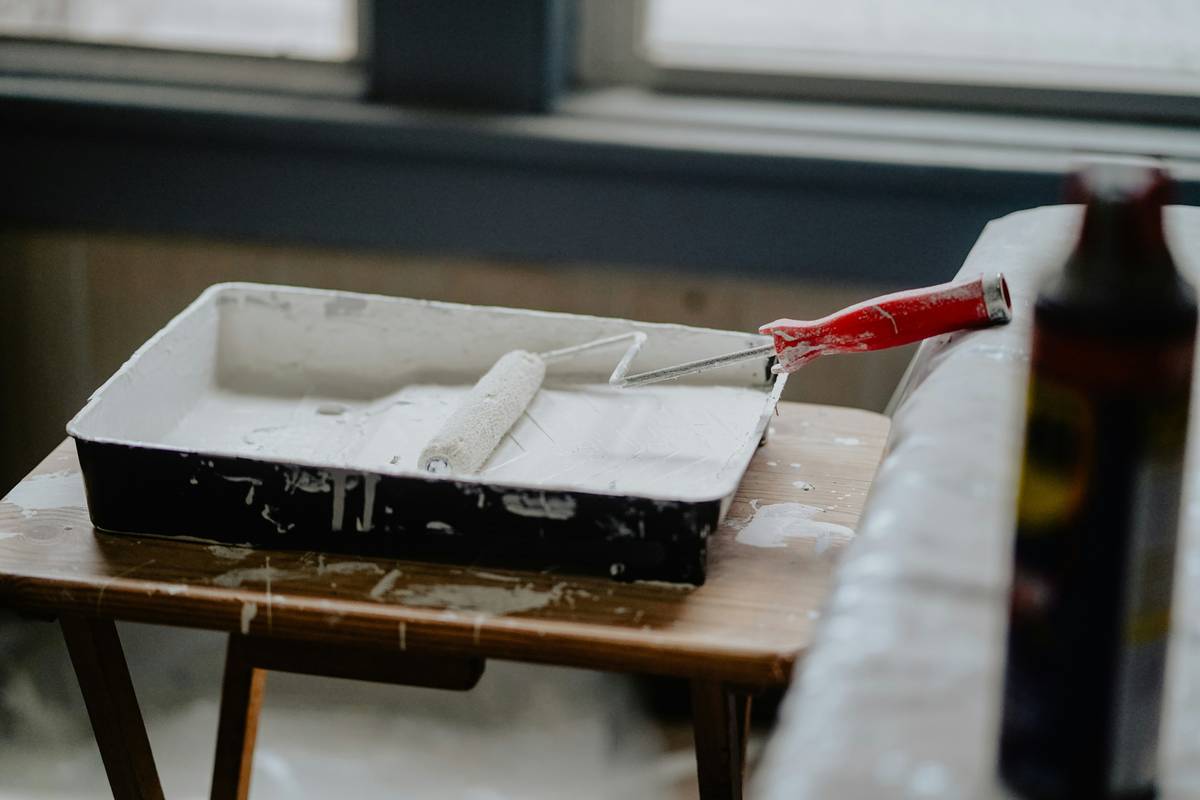
Clean surfaces with TSP (trisodium phosphate) substitute, sand glossy finishes, and fill holes. Skipping this = peeling, bubbling, or uneven texture. Trust me—I’ve lived it.
4. Test First, Commit Later
Paint swatches on multiple walls. Live with them for 48 hours under natural and artificial light. Colors shift dramatically based on lighting conditions.
5. Document and Adjust
Take photos after each step. If something looks off, you’ll have a reference point to diagnose what went wrong—and fix it before moving forward.
Essential Best Practices for Long-Lasting Results
- Avoid the “terrible tip” trap: Never use hot glue for permanent wall decor—it fails within weeks. Opt for Command™ strips or proper anchors instead.
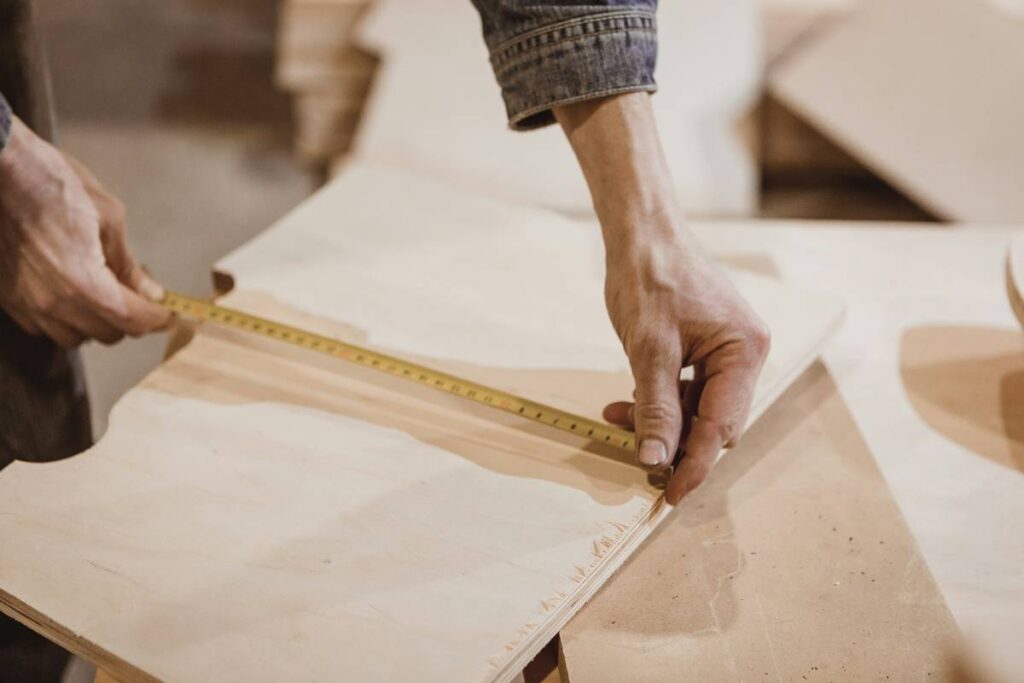
- Measure twice, cut once—literally. Mark cuts with pencil, not pen; ink bleeds through primer.
- Work in daylight when possible. Artificial light distorts color perception and shadows, leading to alignment errors.
- Protect floors and furniture with drop cloths—not old sheets. Paint seeps through fabric fibers.
- If you’re collecting user-submitted ideas or photos on our site, rest assured we respect your privacy—see our full Privacy Policy for details.
Real Transformations: Before, After, and Lessons Learned
Last spring, a Colorado reader transformed her dull bathroom using diy home design projects centered on thrifted frames and sample paint pots. She spent under $60: sanded and spray-painted mismatched frames gold, arranged them in a cluster above the sink, and used leftover sage green paint for a subtle ombre effect on open shelving. The result? A spa-like feel that garnered dozens of compliments—and zero regrets. According to data from Houzz’s 2024 Renovation Trends Report, 73% of homeowners now prioritize small, impactful updates over full remodels, proving that thoughtful DIY decor delivers real value.
Another win: a Denver couple upgraded their rental kitchen with removable vinyl backsplash tiles. They chose a matte terracotta pattern that complemented their existing cabinets. When they moved out, they peeled it off cleanly—no damage deposit lost. That’s the power of strategic, reversible diy home design projects.
FAQs About DIY Decor on a Budget
What are easy DIY home design projects for beginners?
Start with no-nail options: styled bookshelf vignettes, washi tape artwork borders, or reupholstering chair seats with durable fabric. These require minimal tools and build confidence.
How much should I budget for a typical DIY decor project?
Most small projects run $20–$100. Always add 10–15% buffer for extras—per the National Association of Home Builders.
Can I do DIY projects in a rental apartment?
Yes! Focus on removable solutions: tension rods for curtains, adhesive hooks, and freestanding room dividers. Always check your lease first.
Where can I find inspiration that’s realistic—not just Pinterest-perfect?
Follow real-people accounts on Instagram with #renterdiy or #budgetdecor. At Colorado Style Publishing, we showcase authentic makeovers with honest budgets and timelines.
What’s the biggest mistake new DIYers make?
Rushing prep work. Skipping cleaning, sanding, or priming leads to premature failure—peeling, warping, or fading within months.
How do I know if a project is too advanced for me?
If it involves structural changes, electrical work, or plumbing, stop. Stick to surface-level enhancements unless you’re certified or hiring help.
Ready to bring your vision to life—but want a second opinion before cutting that first piece of wood? We’d love to hear your idea. Drop us a note via our Contact Us page. Because great design shouldn’t be stressful—it should feel like coming home… with a fresh coat of paint.
And remember: imperfection is part of the charm. A slightly crooked shelf tells a story. A hand-painted wall holds your heartbeat. That’s the real magic of diy home design projects.