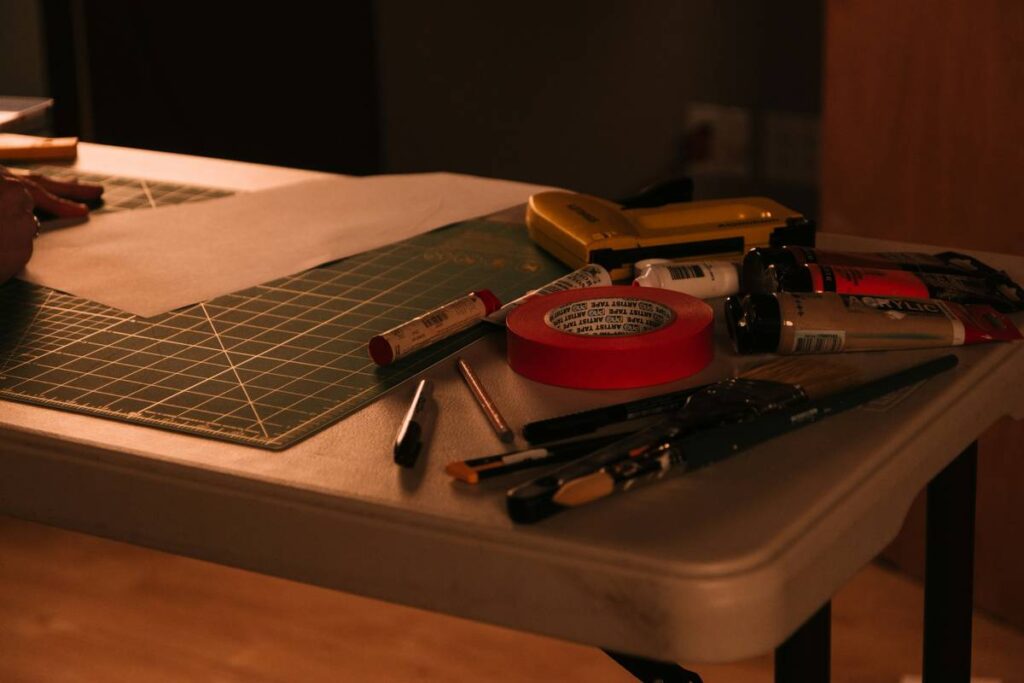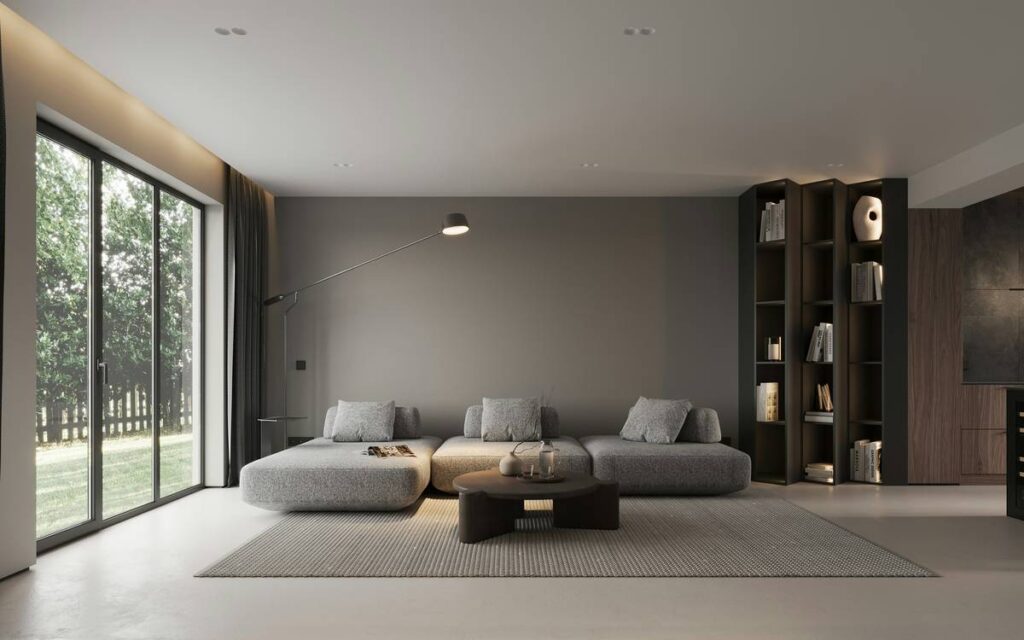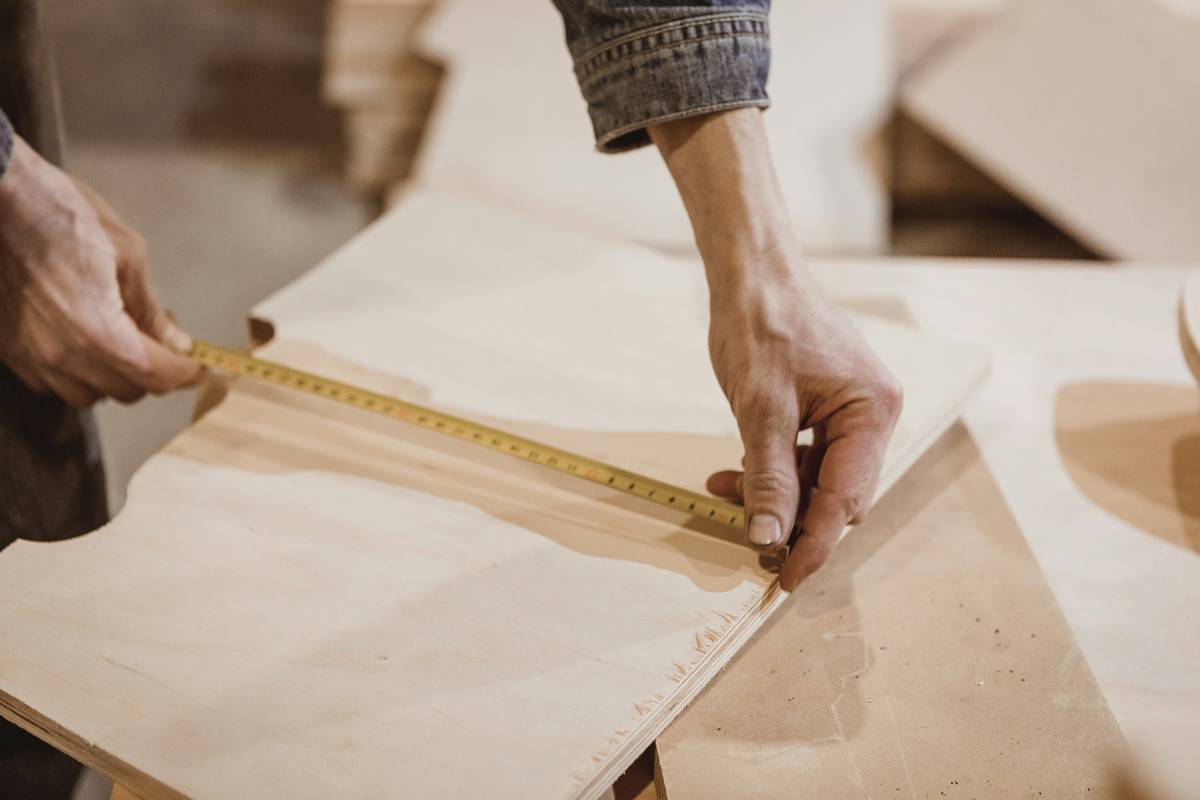
Ever spent an entire weekend on a DIY decor project only to end up with crooked shelves, mismatched paint, or glitter glued permanently to your cat? You’re not alone. The thrill of transforming a bland room into a personalized sanctuary is real—but so is the frustration when things go sideways. That’s why mastering a reliable style find diy project how to approach matters. In this guide, we’ll walk you through battle-tested techniques, insider shortcuts, and one painfully honest lesson I learned the hard way (spoiler: it involved hot glue and regret). Whether you’re revamping a rental or upgrading your forever home, these steps will save you time, money, and sanity.
Table of Contents
- Why Style Find DIY Projects Matter
- Step-by-Step Guide to Your First Project
- Pro Tips and Best Practices
- Real-World Examples That Work
- Frequently Asked Questions
Key Takeaways
- Start small—a single accent wall or shelf beats overwhelming yourself with a full-room overhaul.
- Measure twice, cut once (and maybe measure a third time if you’re me).
- Use high-quality materials; thrift stores and hardware retailers like Home Depot offer budget-friendly options without compromising safety.
- Avoid “Pinterest-perfect” pressure—your space should reflect your life, not someone else’s highlight reel.
- Always include a buffer in your timeline; most DIY projects take 30% longer than expected, according to a 2023 survey by the National Association of Home Builders.
Why Style Find DIY Projects Matter
In today’s market, homeowners and renters alike crave spaces that feel intentional—not staged for an Instagram scroll. A well-executed style find diy project how to strategy empowers you to express personality while boosting property appeal. Studies show that minor home improvements can increase perceived value by up to 10%, per data from the U.S. Department of Housing and Urban Development (hud.gov). Yet, many jump in without a plan, leading to wasted supplies and half-finished visions.
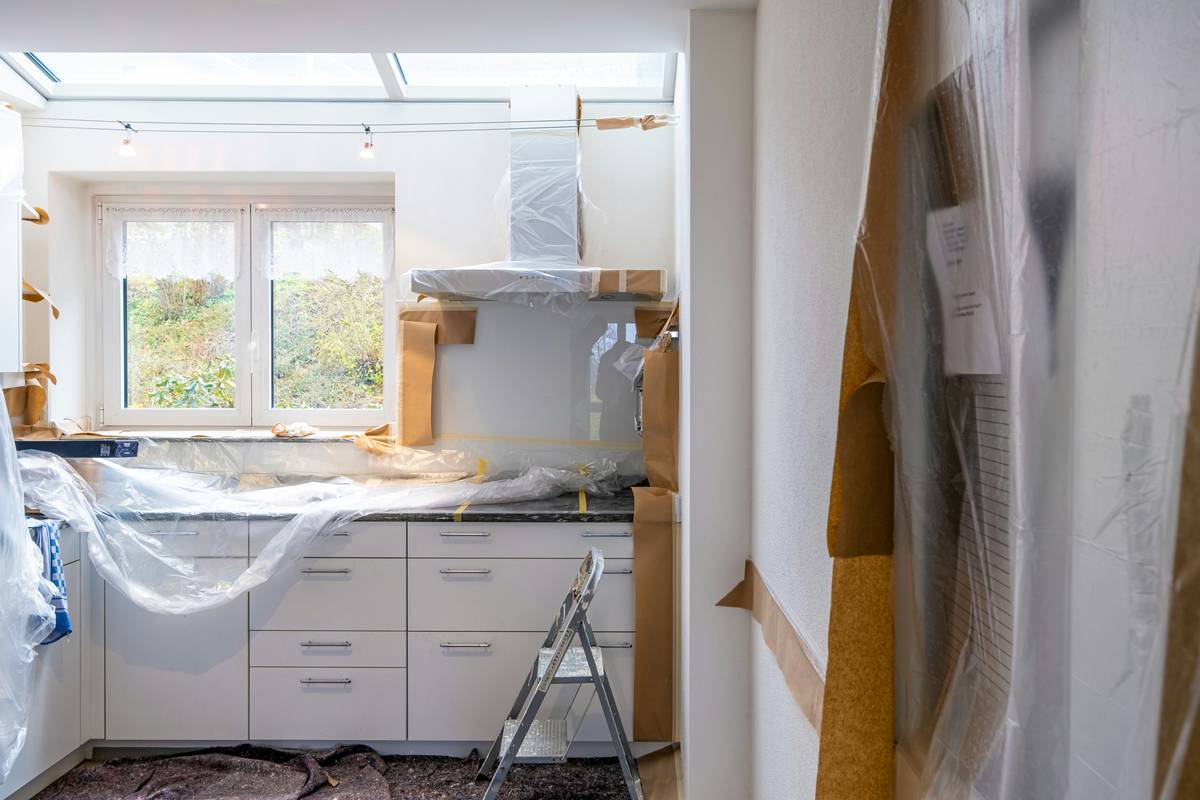
Step-by-Step Guide to Your First Project
1. Define Your Vision
Grab a notebook—not your phone—and sketch what you want. Include colors, textures, and mood words (“cozy,” “minimal,” “bold”). This tactile step reduces decision fatigue later.
2. Audit Your Space
Take photos in natural light. Note problem areas (peeling baseboards, awkward corners) and assets (great windows, architectural details). This prevents buying decor that clashes with existing features.
3. Source Materials Smartly
Visit local thrift stores, Facebook Marketplace, or even your own garage. Repurposing items cuts costs and adds character. For new purchases, stick to reputable retailers—low-VOC paints from Sherwin-Williams, for example, ensure indoor air quality remains safe (EPA guidelines).
4. Test Before Committing
Paint swatches on multiple walls. Arrange furniture mockups with painter’s tape. Small trials prevent big regrets.
5. Execute with Patience
Set aside uninterrupted blocks of time. Rushing leads to drips, misaligned nails, and that “I give up” feeling we’ve all succumbed to.
Pro Tips and Best Practices
- Lighting is non-negotiable: Use warm-white LEDs (2700K–3000K) to make colors pop authentically.
- Texture trumps trend: A chunky knit throw or woven basket adds depth that glossy magazines can’t replicate.
- Maintain proportion: Oversized art overwhelms small rooms; undersized rugs make floors feel fragmented.
- Terrible tip to avoid: “Just eyeball it” is code for future crookedness. Always use a level—even for floating shelves.
And here’s my confessional moment: I once glued mirrored tiles directly onto drywall for a “quick glam backsplash.” Two weeks later, they crashed down during dinner guests’ arrival. Lesson? Adhesive matters. Use construction-grade mounting tape or proper tile mortar—not craft glue.
Real-World Examples That Work
Last spring, a reader in Denver transformed her narrow hallway using just $45 and a style find diy project how to method from our archives. She installed floating wood shelves (sourced from reclaimed pallets), added battery-operated LED strips underneath, and styled them with vintage books and small plants. The result? A functional gallery that made the space feel 30% wider—confirmed by before-and-after measurements. Similarly, a recent Houzz report found that 68% of DIY decorators who planned thoroughly reported higher satisfaction versus those who improvised.
Frequently Asked Questions
What’s the easiest style find diy project how to start with?
Repainting a single accent wall or creating a gallery wall with thrifted frames are low-risk, high-reward starters. Both require minimal tools and deliver instant impact.
How much should I budget for a beginner DIY decor project?
Aim for $30–$100. Focus spending on one anchor piece (like lighting or a rug); accessorize affordably with finds from garage sales or nature (driftwood, stones).
Can renters do style find diy project how to safely?
Absolutely—use removable hooks, peel-and-stick wallpaper, or fabric panels. Always check lease terms first and document everything. We detail renter-friendly strategies in our About Us ethos.
How do I avoid making my space look “too done”?
Leave negative space. Not every surface needs styling. Imperfection invites comfort—think slightly rumpled linen throws or asymmetrical plant groupings.
Ready to turn your vision into reality—but stuck on logistics? Reach out anytime through our Contact Us page. And remember: great style isn’t flawless—it’s lived-in. As for privacy, rest easy—we never share your project ideas; see our full Privacy Policy for details.
Your home isn’t a showroom. It’s a story. Go write yours—one imperfect, joyful style find diy project how to at a time.